Ten kinds of bakery worth setting an alarm for
The best bakery items often sell out early for a reason. Ten kinds of bakery that reward an early start, and what to look for in each.
By James Whitaker · · 7 min read
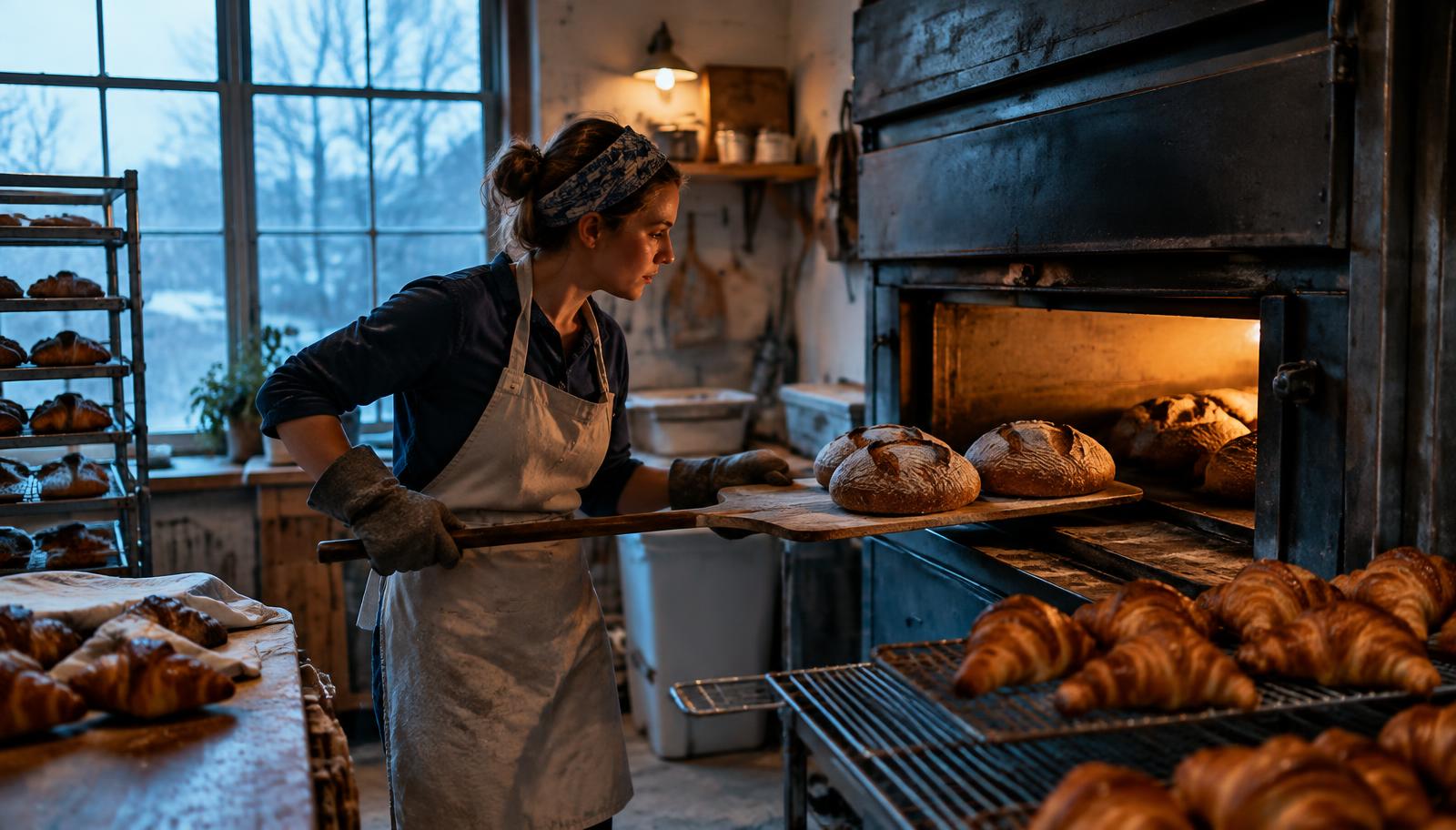
Bakeries run on a schedule most diners never see. Doughs are mixed the day before, shaped in the early hours and baked before the doors open. The best items are often made in limited batches, and when they are gone, they are gone. That is why setting an alarm can be worth it. Here are ten kinds of bakery that tend to reward an early start, and how to tell a good one from an average one.
1. The sourdough bakery
A bakery built around naturally leavened bread plans production around fermentation and oven space. Judge the loaf against its intended style: a country bread may have an open crumb, while a sandwich loaf or rye can be deliberately close-textured. The interior should be properly baked, not gummy, with a crust and flavor that suit the bread. Sourdough need not taste sharply sour. An early sellout tells you about availability, not how long the dough fermented or how well it was made.
2. The viennoiserie specialist
Croissants and other laminated pastries take days of work: dough, butter, folding, resting, shaping and proofing. A good croissant shatters when you bite it, shows distinct layers inside and tastes of butter rather than oil. They are best within a few hours of baking, which is the real reason to arrive early.
3. The neighborhood bagel shop
A proper bagel is boiled before it is baked, which gives it a shiny, chewy crust. Good shops bake throughout the morning, so the first batch is often still warm. A bagel that is soft and bread-like all the way through has usually skipped or shortened the boil.
4. The donut counter
Yeast-raised donuts are fried in the morning and are at their best soon after. A good one is light, not greasy, with a glaze that sets rather than weeps. Filled donuts should be filled generously and evenly. Small shops often make a fixed number, and the most popular flavors go first.
5. The bakery tied to a cultural tradition
Many cities have bakeries that serve a specific community: Mexican panaderías, Chinese bakeries, Portuguese, Polish, Lebanese and many more. Their best items are often baked early for customers on their way to work. Freshness, consistency and items made the traditional way are the signs to look for. These shops are often where neighborhood regulars show up first.
6. The whole-grain and rye baker
Dense rye and whole-grain breads take skill to get right. A good one is moist, slices cleanly and has a deep, complex flavor. These breads often keep well, so they are less about arriving early and more about catching the days they are baked, since some bakeries make them only a few times a week.
7. The cake and pastry shop
Shops that make tarts, éclairs and plated pastries often finish their work in the morning. Fruit tarts should have crisp shells and fresh fruit. Cream fillings should taste of dairy and vanilla, not starch. Arriving early gives the widest selection before the display empties.
8. The restaurant with a morning bakery program
Some restaurants bake in the morning before their kitchen turns to lunch or dinner service. This lets them use their ovens and staff during hours that would otherwise be quiet. The selection is often small, and items can sell out quickly because the bakery side is a sideline rather than the main business.
9. The weekend-only market stall
Bakers who sell at a farmers market or pop up only on weekends often bake through the night and bring a limited amount. Their customers know to arrive at opening. Look for a short, focused selection and bread that was clearly baked that morning.
10. The wholesale bakery with a retail window
Some bakeries mainly supply restaurants and cafés but sell directly to the public from a small counter. They often bake early for their wholesale accounts, and the retail window gets whatever is left. It is a good way to taste bread that might otherwise only appear in a restaurant’s bread basket.
Why things sell out
Running out can reflect limited oven capacity, cautious production, unexpected demand or a deliberate batch schedule. It does not by itself prove good planning or superior bread. A bakery that repeatedly disappoints regulars may need to adjust quantities or offer preorders; one that produces too much faces waste. For customers, the useful question is when the item you want is baked and available. Early arrival can widen the selection, but a later scheduled batch may be the fresher choice.
Making the most of an early visit
A little planning helps. Many bakeries post what they bake on which days, or announce specials on their own channels, and some take preorders for loaves that reliably sell out. Asking at the counter which items come out of the oven at what time is often the simplest way to catch something at its best. Weekends are busiest, so a weekday morning can offer the same selection with a shorter line.
Storage matters once you get home. Crusty bread keeps best cut side down on a board or in a paper bag for a day or two, and freezes well sliced. Laminated pastries are best eaten the same day, but a few minutes in a hot oven can bring back some crispness. Soft enriched breads stay fresher wrapped. A bakery’s staff will usually tell you how they keep their own products, and their advice is generally the most reliable.
Paying attention to a bakery’s rhythm also makes for a better relationship with it. Regulars who show up at the same time each week often find their usual loaf set aside.
How to judge any bakery
Across all ten types, the same signs point to quality. Items look evenly baked and freshly made. The staff can tell you what was baked that morning. The selection changes with the season. And regulars line up early, which is usually the most reliable recommendation a bakery can get.