What makes a bowl of noodle soup worth the wait
Broth gets the attention, but noodles, toppings and service timing decide whether a soup delivers.
By James Whitaker · · 6 min read
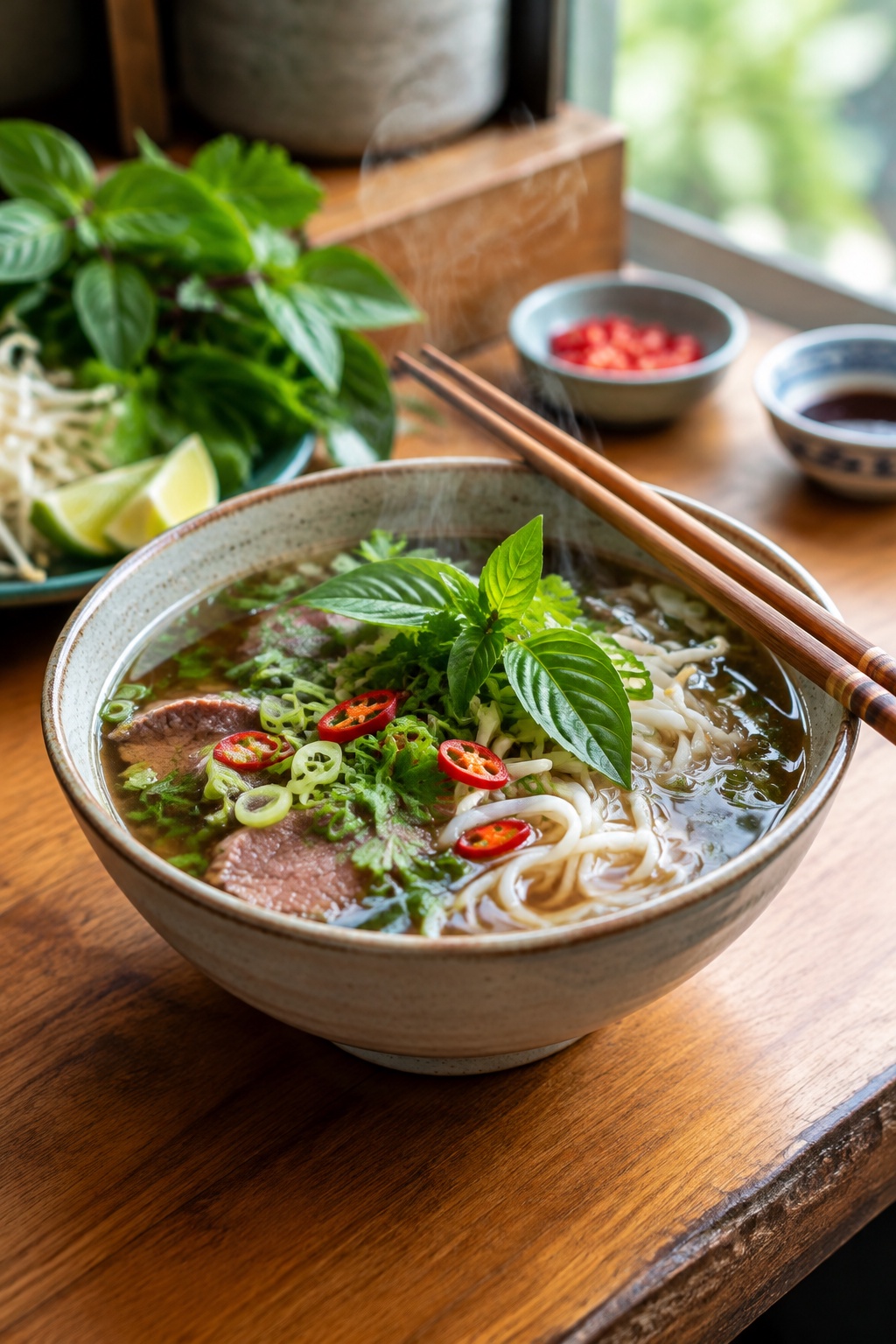
A queue outside a noodle shop tells you that people want a seat. It does not tell you whether the bowl will justify the delay. Good noodle soup is a coordinated dish: broth with a clear purpose, noodles cooked for that liquid, toppings that belong together and a short path from finishing station to table. The most expensive ingredient cannot compensate for a bowl that arrives after its noodles have surrendered.
There is no single standard of richness. A clear broth can have considerable depth, and an opaque one can taste flat. Ramen, pho and other noodle soups draw on distinct traditions, with variation inside each. Compare a bowl with what its menu promises rather than treating density, spice or the number of toppings as a universal score.
Taste the broth before changing it
Take an early spoonful before adding chile, citrus or table sauces. Notice aroma first, then seasoning, body and finish. Does the liquid invite another taste, or does salt dominate everything else? Fat can carry fragrance and create a satisfying texture. Too much unbalanced fat can also coat the mouth and obscure the ingredients underneath.
Clarity is a stylistic choice, not a quality certificate. Some broths are deliberately emulsified through vigorous cooking; others are handled to remain clear. Likewise, a lighter broth is not necessarily unfinished. The useful distinction is between deliberate restraint and a liquid that lacks flavor. A good menu description gives diners a reasonable basis for that judgment.
In ramen, the finished soup may combine a stock, concentrated seasoning and aromatic oil, each contributing something different. Pho broth may foreground beef or chicken alongside carefully managed aromatics and spices. These are broad descriptions, not rigid recipes. What matters at the table is whether the finished bowl tastes integrated rather than like separate salty, greasy and watery layers.
Noodles have a service window
Noodle texture should fit the style. Wheat noodles might offer spring and resistance; rice noodles can be supple without becoming mushy. Thickness changes the experience, as does the time noodles spend submerged. A firm noodle at the pass may be ready by the time it reaches the guest. A fully softened one has little room left.
Good cooking requires more than a timer. Portion size, noodle temperature and the load on the cooker affect recovery between orders. Starch builds up in cooking water and can leave noodles sticky or the bowl unnecessarily cloudy. A disciplined station manages batches, water and draining instead of treating every busy service as a reason to abandon precision.
Diners see the result in separated strands and a texture that holds through the meal. Clumps can suggest poor loosening or draining, although some noodle formats naturally sit together more closely. The test is practical: can you lift a manageable bite, and does the noodle retain a character of its own against the broth?
Toppings need a job
A slice of meat should be enjoyable without a spoonful of soup to hide its dryness. Greens should offer the intended tenderness or crunch. An egg should be cooked and seasoned deliberately, not simply included because a bowl looks incomplete without one. More toppings can create more interruptions without making lunch more satisfying.
Temperature matters here. Several cold additions can pull heat from a bowl, especially when the portion of broth is modest. That does not mean everything must be piping hot; some contrast is intentional. It means the kitchen has to account for the combination. A warmed serving bowl can help preserve heat, but cannot repair a long wait on the pass.
Herbs, sprouts, citrus and sauces served alongside certain soups allow the diner to shape the balance. Add them gradually and respect the kitchen’s starting point. If an ingredient is unfamiliar, a clear explanation is useful. Guests with allergies should ask about stocks, seasonings and garnishes, not assume that a vegetable topping means the underlying soup is vegetarian.
The wait behind the wait
An illustrative shop might prepare broth well before opening but cook each noodle portion to order. That separates long production work from fast finishing work. The bottleneck may be baskets, burner capacity or the person assembling toppings rather than the stockpot. Adding seats without addressing that bottleneck can lengthen waits and damage the food simultaneously.
A sensible service sequence gets bowls to the right table promptly and keeps delivery orders from sitting fully assembled. For takeaway, separating broth and noodles can protect texture, though the guest then needs clear assembly and reheating guidance. Packaging should be secure enough for hot liquid. A leaking container turns a carefully built meal into a practical failure.
Judge the bowl as it changes
Soup is not static. Noodles absorb liquid, aromatics fade and fat behaves differently as the bowl cools. Taste again halfway through. A well judged bowl remains appealing as its temperature drops; one built only around initial heat or a dramatic garnish can become tiring. Portion size should allow a comfortable meal rather than a race against deterioration.
The bowl worth waiting for has a reason behind its parts. Its broth has definition, its noodles keep their identity and its toppings improve more than the photograph. Most importantly, the restaurant understands the last minute of preparation as thoroughly as the hours before it. That is where patient production becomes a lunch someone wants to order again.