After midnight: how late-night food stalls feed restaurant workers
When kitchens close, cooks still need to eat. A look at what late-night food stalls do well, and how they make the economics work on thin margins.
By Daniel Reyes · · 6 min read
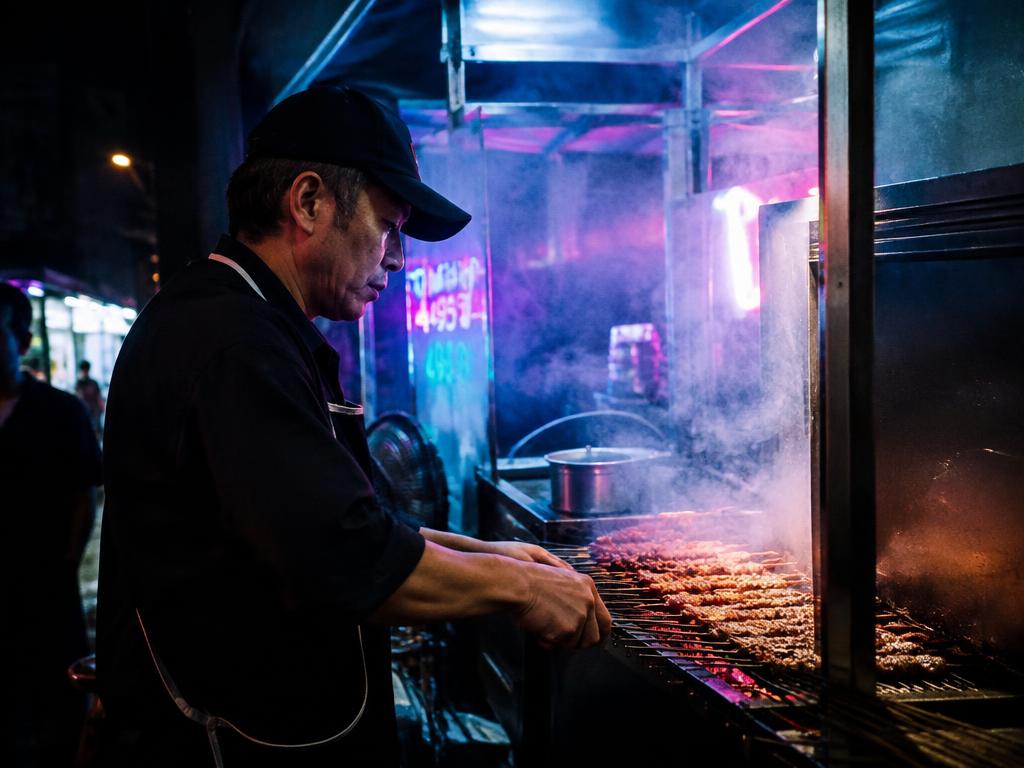
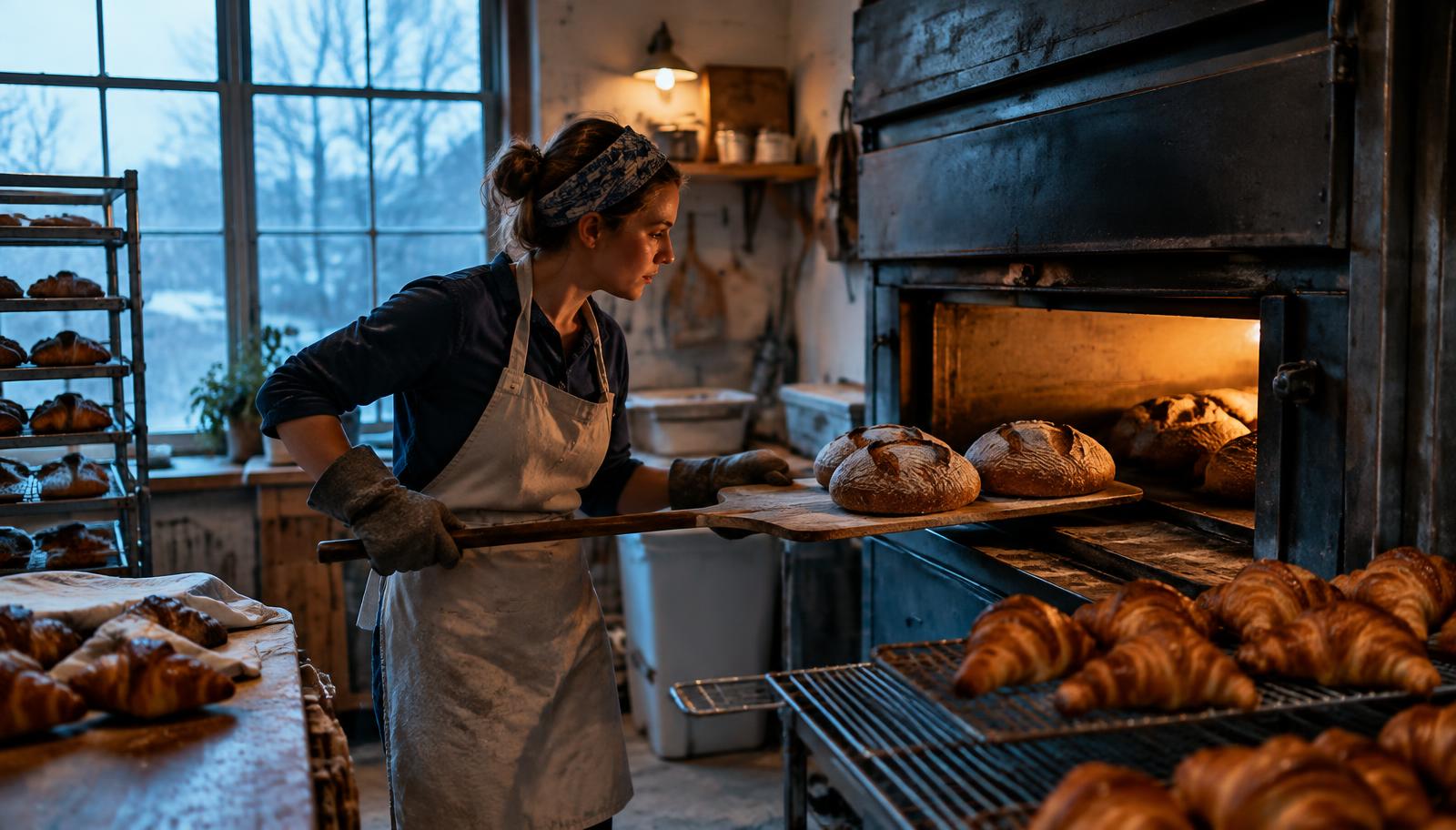
A restaurant kitchen that closes at 11 is not empty until well after midnight. Stations get broken down, floors get scrubbed, prep lists get written for the morning. By the time the last cook walks out, most of the city’s restaurants are dark. The people who have spent the night feeding others still need to eat, and in many cities that job falls to a cart, a truck or a stall with a griddle and a short menu.
These places are part of the restaurant industry even if they are rarely treated that way. Their customers include cooks, servers, bartenders, delivery drivers and night-shift workers from hospitals and warehouses. Their economics are their own.
What a late-night menu has to do
Late-night food has a simple job: be hot, filling, fast and affordable. A cook coming off a ten-hour shift is not looking for a tasting menu. They want something they can eat standing up, ideally within a few minutes of ordering, for less than an hour of wages.
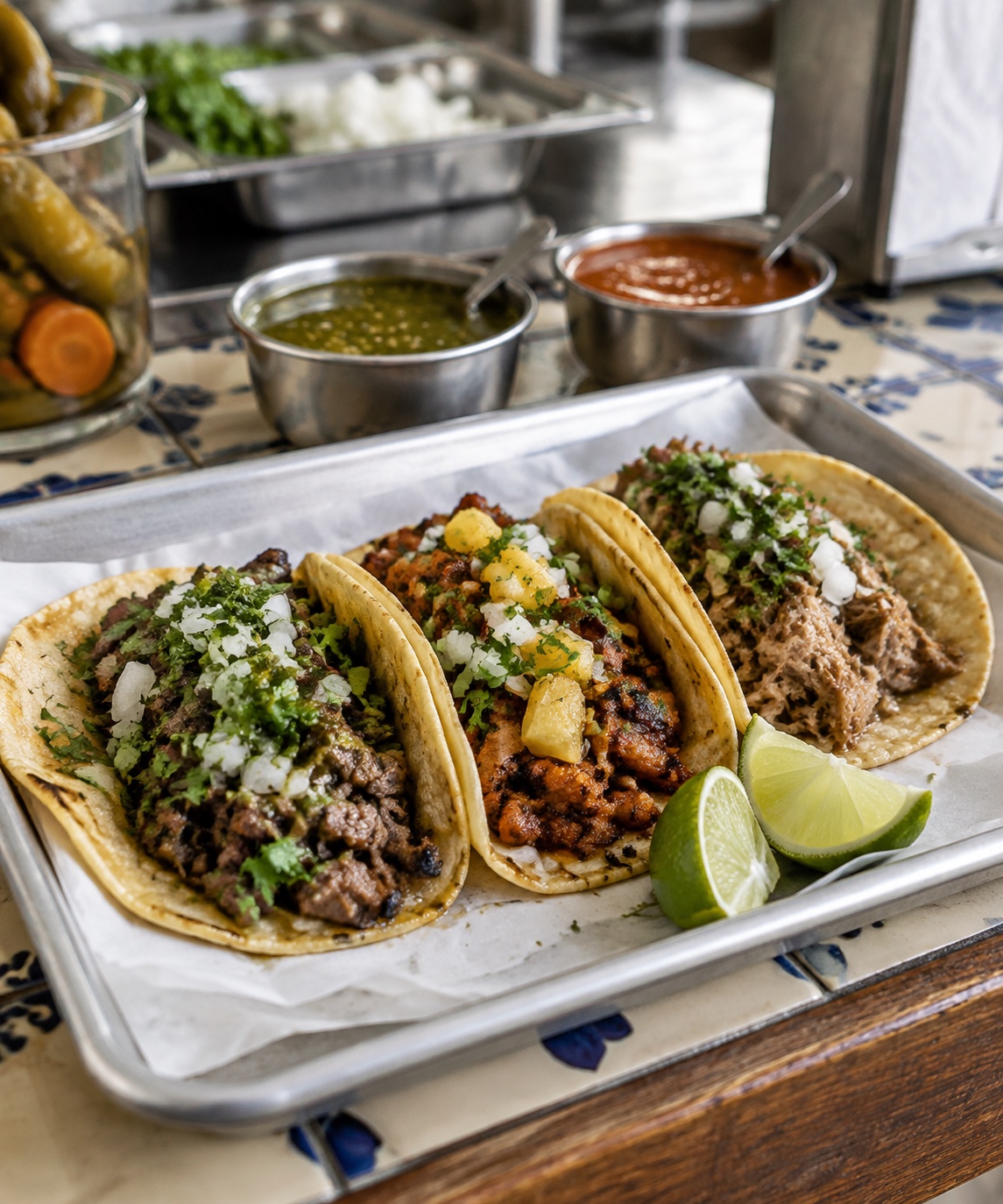
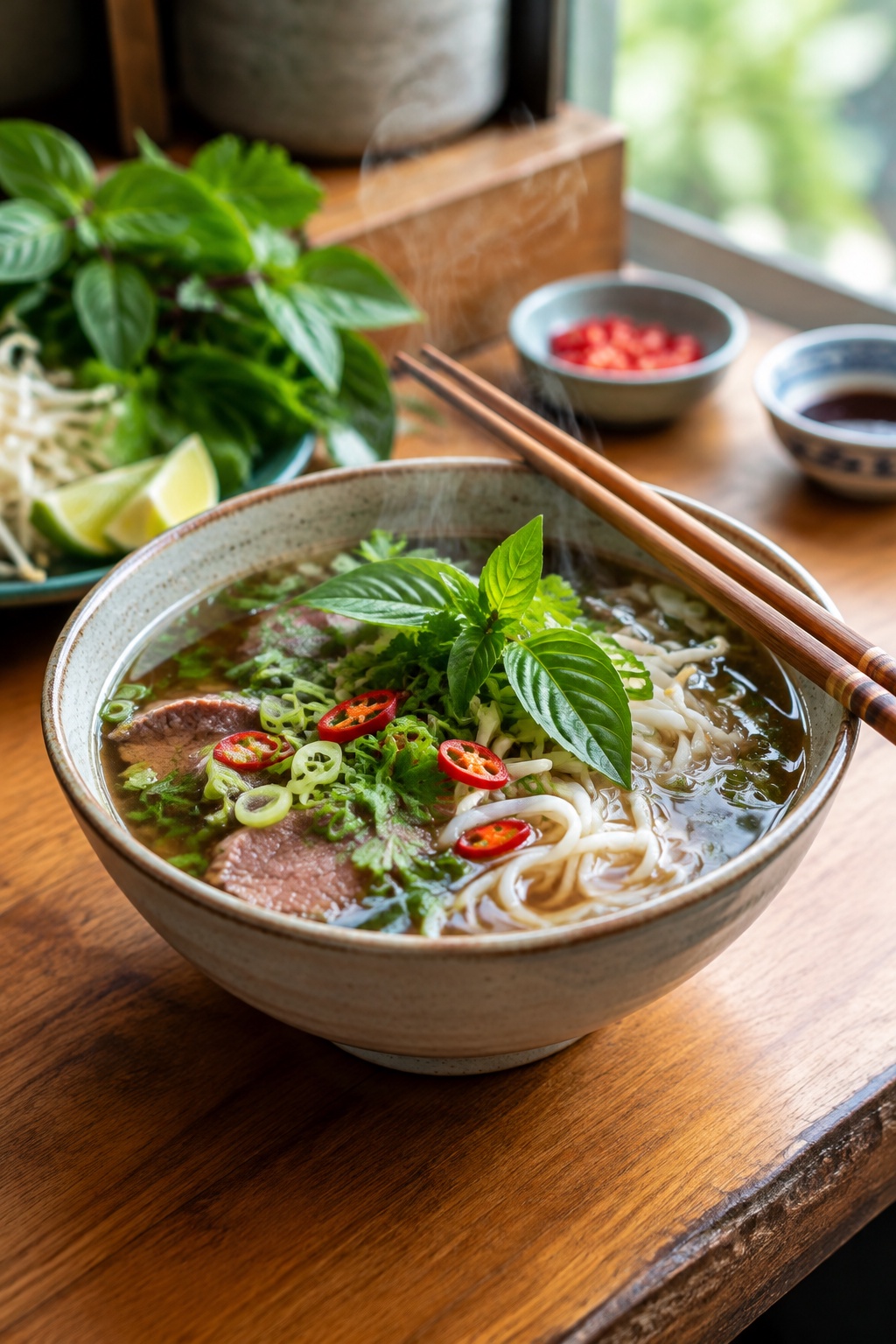
That pushes stalls toward dishes that are cooked to order from components prepared earlier. Tacos built from braised meat held warm, noodles tossed in a wok with a prepared sauce, griddled sandwiches, rice bowls, skewers. The menu is often five or six items, and the best vendors keep it that way so every order moves quickly.
How the numbers work
Consider an illustrative stall that operates from 10 p.m. to 3 a.m. five nights a week. Its costs include the vehicle or cart, permits, commissary fees for prep and storage, fuel, ingredients and its own labor. Its revenue depends almost entirely on volume during a few busy hours, when bars close and kitchens empty out.
Prices are kept low because the customers are price-sensitive and loyal. That means margins per item are thin, and the stall makes its money by serving many customers quickly. A slow griddle or an overcomplicated menu is not just an inconvenience. It caps how much the business can earn on its best night.
Waste is the other pressure. Food prepared for a night that turns out to be slow may not be usable the next day. Experienced operators learn their nights well, prepping more for weekends and less for a rainy Monday.
Why cooks are demanding customers
People who cook for a living notice things. They can tell when meat has been held too long, when a sauce is from a jar, when oil needs changing. A stall that wins over cooks usually does a few things very well: fresh tortillas, properly seasoned meat, a sauce made in-house, a griddle kept clean and hot.
Cooks also value consistency and hours they can count on. A vendor who is in the same spot every night, open when they say they will be, becomes part of a routine. Word spreads through kitchens quickly, in both directions.
The permitting reality
Street food runs on permits, and the rules vary widely by city. Many vendors must prepare food in a licensed commissary kitchen, follow rules about where and when they can park, and pass regular inspections. Holding temperatures, handwashing stations and refrigeration all apply, even on a cart. For a small operator, staying compliant is a real cost in money and time.
Diners can look for signs of a careful operation: a visible permit, food held hot or cold rather than lukewarm, gloves or utensils for handling ready-to-eat items, and a clean work surface. These are the same basics expected in a restaurant kitchen.
What restaurants can learn from the stalls
Late-night vendors are a lesson in focus. A short menu, a fast line, ingredients prepared to be finished in minutes and prices matched to the customer. Restaurants trying to add a late-night menu, a bar menu or a takeout window could do worse than to study how a good stall works: fewer items, built from components the kitchen already prepares, served quickly at a fair price.
The rhythm of a late-night shift
A late-night stall’s evening has its own shape. The first hour is setup and a trickle of early customers. Then come the waves: when restaurants close their kitchens, when bars announce last call, when night-shift workers take a break. Operators who know those times prep for them, keep the griddle at temperature and have components portioned so each order can be finished in a couple of minutes.
Between the waves is when the stall cleans, restocks and gets ready for the next rush. It is a small version of the same discipline any restaurant kitchen needs.
Those quieter stretches are also when relationships get built. Regulars chat with the vendor, swap news about which kitchens are hiring and which are closing, and sometimes suggest dishes. For a business with no marketing budget, that word of mouth among night workers is how a stall fills its line on the next busy night.
The meal after the shift
For many restaurant workers, the food they eat at 1 a.m. is the only meal of the day that someone else cooked for them. That gives these vendors an unusual place in the industry. They are not usually reviewed or celebrated, but they keep the people who staff the city’s dining rooms fed. When a stall gets the details right, the cooks lining up in front of it are the best endorsement it could ask for.