How to tell whether a new oyster bar earns its hype
Oysters are simple to serve and easy to get wrong. A guide to judging a new raw bar, built around an illustrative opening.
By Hannah Brooks · · 6 min read
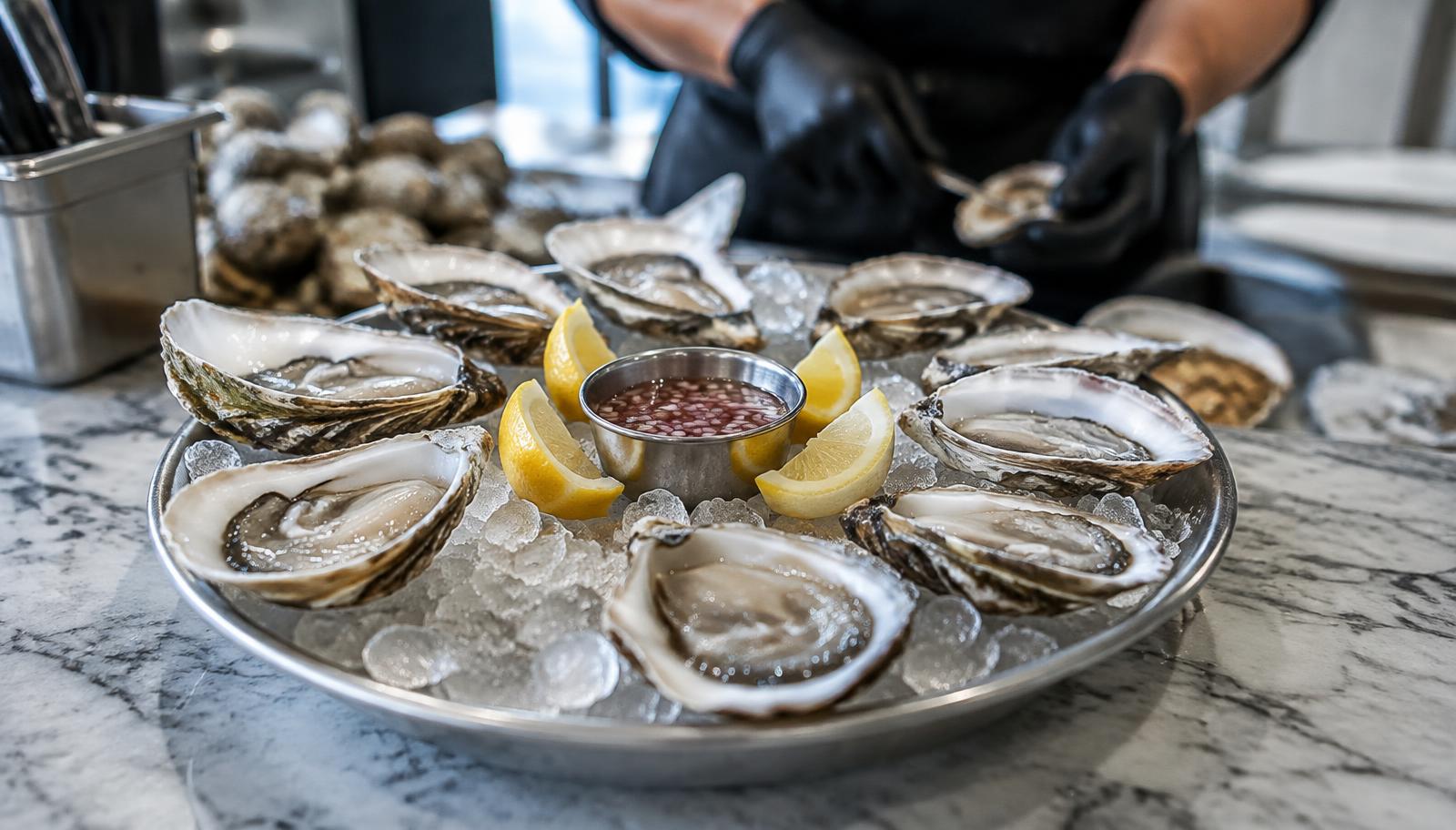
A new oyster bar tends to arrive with attention: a marble counter, a chalkboard of varieties, a cocktail list and a line on opening weekend. Hype is not the same as quality, though, and oysters are unforgiving. There is no sauce to hide behind. What follows is a framework for judging a new raw bar, using an illustrative opening to show where places like this usually succeed and where they slip.
Freshness is the whole game
Oysters are sold live, and their quality depends on how they were harvested, stored and handled. A careful bar keeps them under appropriate refrigeration, stores them to protect their condition and rotates usable stock. Shellfish identification tags provide traceability, and retention requirements depend on the applicable food code. Staff who can explain an oyster’s origin give diners useful information, but a confident answer alone does not establish that receiving, storage or traceability procedures have been followed.
At the table, intact meat and retained liquor help diners assess shucking and eating quality. Dryness, shell fragments or an off odor are reasons to stop and ask for the plate to be checked. Appearance and smell cannot establish that raw shellfish is safe: harmful organisms may be present without an obvious sensory warning. A cold platter is not evidence of its entire temperature history. Good handling and traceability matter before the oyster ever reaches the guest.
Shucking is a skill
In our illustrative bar, the menu is strong and the oysters are clearly well sourced. Where it falls short on a busy evening is shucking. Opening an oyster cleanly, without cutting the meat or leaving grit and shell fragments, takes practice. On a quiet afternoon a good shucker can open dozens with care. On a packed Friday, with a single shucker behind the counter, standards tend to slide.
That gap is common at new raw bars. The product can be excellent while the execution varies with volume. Diners can spot it easily: shell chips, torn meat, oysters still attached to the bottom shell, or a platter that took too long to arrive and has warmed up.
The economics behind the counter
Oysters are expensive to buy and labor-intensive to serve. Each one is opened by hand, and dead or damaged oysters are a cost the bar has to absorb. Many raw bars use a happy hour discount to bring in guests on quieter hours, then make their margin on drinks and cooked dishes. That makes the drink list and the rest of the menu more important than they first appear.
Staffing is the main lever. Adding a second shucker on the busiest nights costs money, but it protects the product the restaurant is built around. An opening team that underestimates demand often learns this in the first month.
Beyond the raw oysters
A raw bar is rarely just oysters. The accompaniments tell you a lot: a mignonette with finely cut shallots and good vinegar, freshly grated horseradish, lemon wedges that are not dried out. The cooked side of the menu should be held to the same standard. Fried oysters should be crisp and hot, not greasy. A chowder or a grilled fish should taste fresh rather than an afterthought.
Safety and honest advice
Raw shellfish can carry harmful organisms even when it looks and smells normal. People who are pregnant, older or have certain medical conditions should seek appropriate health guidance and choose suitable cooked alternatives. Many jurisdictions require a menu advisory about raw or undercooked food. Staff should clearly identify raw dishes and explain available cooked options. Lemon, hot sauce and alcohol do not make a raw oyster safe, and a printed advisory does not replace sound handling procedures.
How to judge one yourself
A few questions make a new oyster bar easy to assess. Can the staff tell you where each variety came from and what it tastes like? Are the oysters cold, intact and in their liquor? Is the shucking clean even when the counter is busy? Are the accompaniments made with care? And does the rest of the menu hold up, or is it filler around the raw bar?
Visit at two different times if possible. A quiet weekday and a busy weekend can feel like two different restaurants, and the busy night is the real test.
Reading the board
The chalkboard of varieties is worth more than a glance. Origins and short flavor descriptions can help you choose a contrast: briny, sweet, mineral or creamy. Species, growing conditions and handling all influence the result, so geography is a starting point for discussion rather than a flavor guarantee. A changing list may reflect availability or purchasing choices; it does not prove superior sourcing. A steady list may come from a dependable supplier. Ask what is available and how the varieties differ.
Staff knowledge shows up here. A server who can recommend a starting point for someone new to oysters, suggest a contrast for a second dozen and explain the difference between two varieties without reading from a card is a sign the bar trains its team. That knowledge is cheap to build with a short tasting before service and makes a large difference to how guests experience the menu.
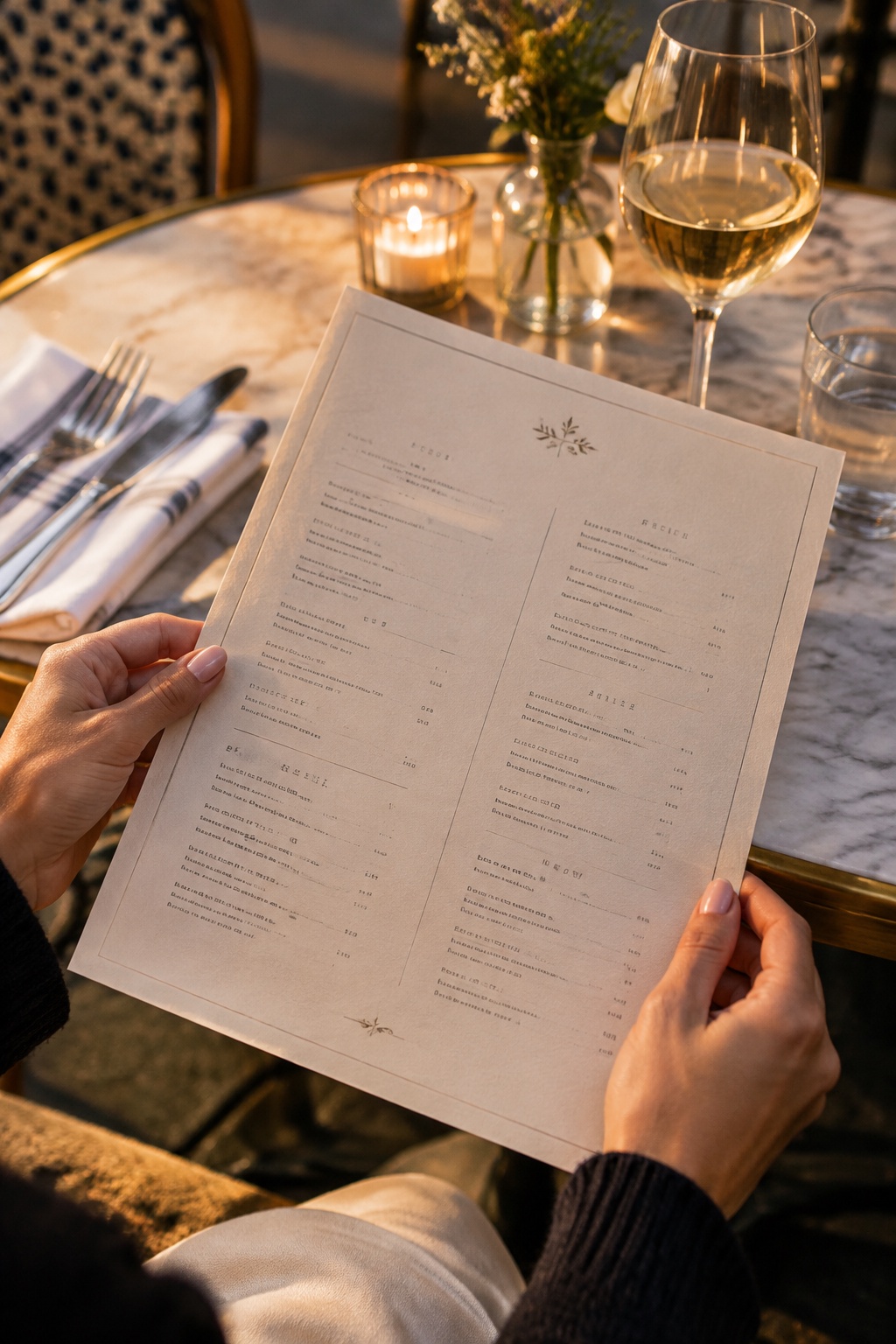
Read prices so the order is clear, not as a certificate of quality. Separate prices may reflect purchasing costs, size, positioning or the restaurant’s own margin choices. A flat price can be equally legitimate. Neither format proves what the bar paid or how carefully it handled the shellfish. Ask about minimum orders and happy-hour restrictions before choosing, especially if a mixed platter changes the price per oyster.
Where new raw bars tend to land
Many new oyster bars earn their hype on the product and lose a little on the execution. That is fixable, usually with more trained hands behind the counter and a firmer rule about not sending out a platter until it is right. The best ones get there within a few months. The ones that do not tend to fade once the opening attention passes.