What makes a neighborhood trattoria’s pasta worth crossing town for
What separates a memorable bowl of pasta from an ordinary one usually happens long before service. A look at the decisions that make a small trattoria worth crossing town for.
By Sofia Marchetti · · 6 min read
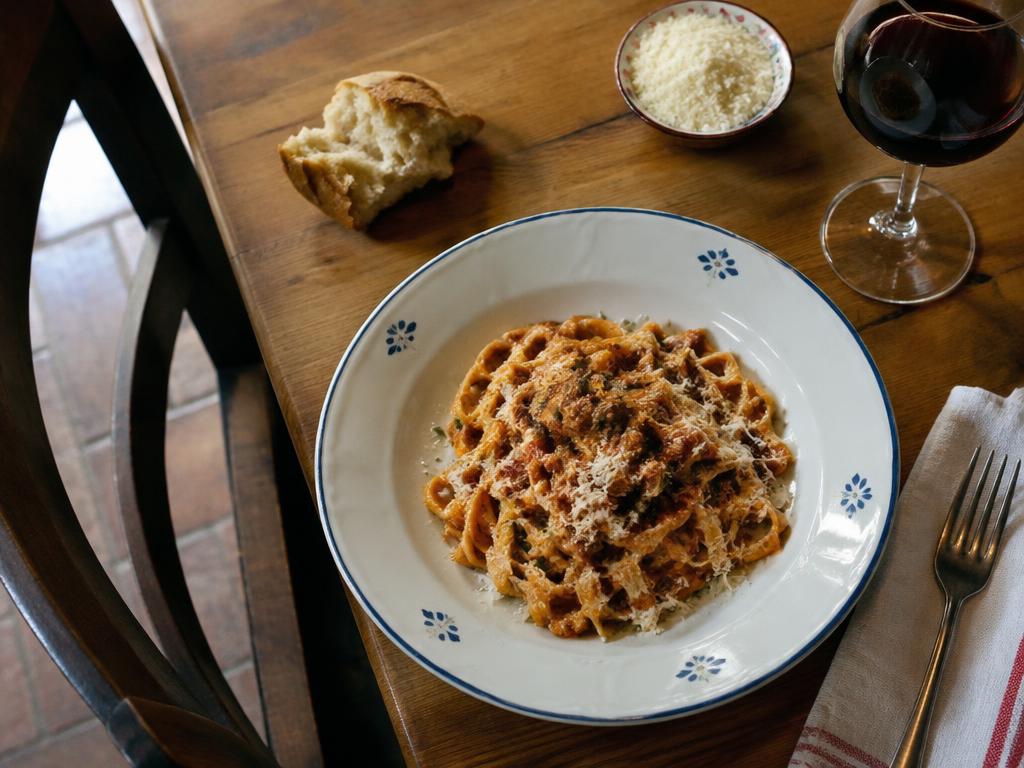
Most cities have a trattoria like this somewhere: a dining room with a dozen tables, a short menu written on a board, and a kitchen that seems to do very little. It does not advertise. Regulars book the same table every other week. And the pasta is better than at places charging twice as much. The question worth asking is not who makes it, but how, because the answer tells diners what to look for anywhere.
The menu is short on purpose
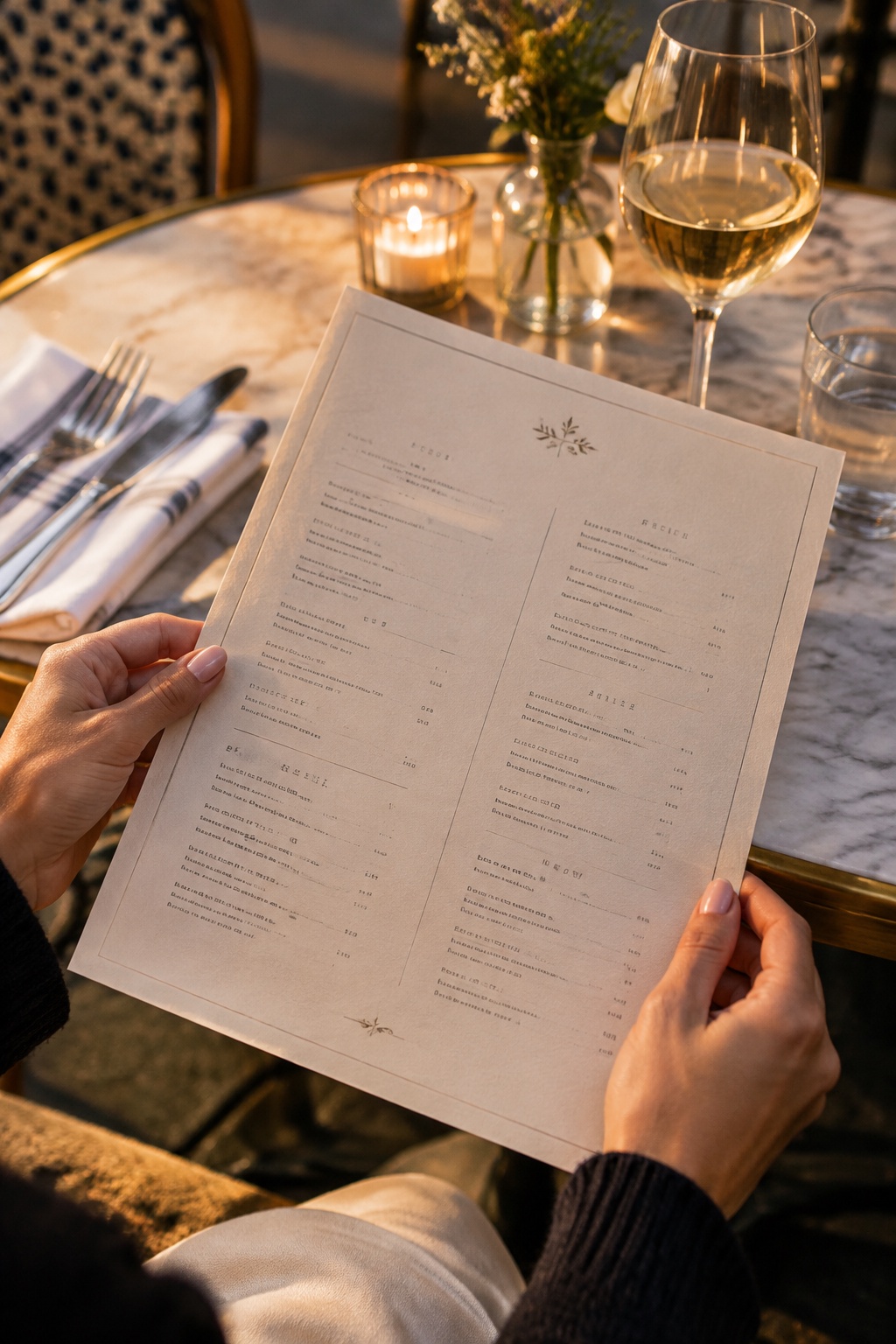
Picture the board on a weekday: four pastas, two mains, a couple of starters and a dessert. That is not a lack of ambition. A kitchen with three cooks can make four fresh doughs or shapes well every day. It cannot make twelve. The short menu means each shape gets attention, each sauce is made in a quantity that sells through, and very little sits overnight.
Short menus also make purchasing simpler. The kitchen can buy whole ingredients, such as a case of tomatoes or a block of aged cheese, and use them across several dishes. Less waste means the owner can spend more on the ingredients that matter most for the plate, which is usually the flour, the eggs, the cheese and the olive oil.
Fresh and dried both have a place
A good trattoria is not snobbish about dried pasta. Bronze-extruded dried pasta, with its rough surface, holds a sauce better than many fresh noodles, and it suits dishes built on oil, garlic, chili or cured pork. Fresh egg pasta suits butter, cream and slow-cooked ragù, where its tenderness is the point. A kitchen that uses each where it belongs is showing judgment rather than following a rule.
Diners can usually tell which is which by the menu. Long ribbons with a meat sauce, or filled shapes, are likely fresh. Short tubes with a spicy tomato sauce are probably dried. Neither is a shortcut if it is cooked properly.
The real work happens at the stove
The step that separates good pasta from great is how it meets the sauce. In a careful kitchen the pasta comes out of the water a minute early and finishes in the pan with the sauce and a ladle of the starchy cooking water. The starch and fat bind into something glossy that coats each piece. Pasta that has been drained and topped with sauce, rather than cooked into it, rarely tastes as good, however good the sauce is on its own.
Salting matters too. The water should taste seasoned. Under-salted water leaves the pasta flat, and no amount of salt in the sauce fixes it afterward. It is one of the cheapest details in the kitchen and one of the most often skipped.
Portioning is the third detail. A trattoria that weighs its pasta before it goes into the water will serve the same bowl on Tuesday as on Saturday. One that grabs by hand will drift, especially when the room is full.
The economics of a bowl of pasta
Pasta is one of the better-margin items on most menus, which is part of why so many restaurants offer it. Flour, eggs and water are inexpensive. The cost sits in labor and in the finishing ingredients. A kitchen that makes its own dough is paying for the hours of a cook rolling and cutting every morning, and that is the investment diners are tasting.
For an independent owner, that labor is easier to justify when the menu is small and the shapes are chosen to be made efficiently. A filled pasta that takes an hour to shape for twenty portions needs a price that reflects it. A simple cut ribbon can be made in a fraction of the time and still taste distinctly homemade.
What to look for on your own visit
A few signs suggest a pasta kitchen is careful. The menu changes with the season, so the sauces follow what is good at the market. The pasta arrives glossy rather than sitting in a pool of sauce. The portion is sized to be finished, not to impress. And the staff can tell you which pastas are made in-house and which are not, without hesitation.
Consistency is the other test. The best neighborhood places taste the same on the third visit as on the first. That comes from a short menu, a weighed portion and a cook who finishes every plate in the pan, even when there are thirty tickets on the rail.
The dining room’s part
Pasta is also a dish that punishes delay. A bowl finished in the pan has a short window before the sauce tightens and the noodles soften. In a careful trattoria, the server picks it up the moment it lands on the pass and brings it straight to the table. That coordination between kitchen and floor is as much a part of a great bowl of pasta as the dough itself, and it is easy to notice when it is missing.
Small dining rooms help here. With a dozen tables, the distance from stove to guest is short and servers can see the pass from the floor.
Why the quiet places last
Restaurants like this rarely chase attention, which is part of why they survive. Their costs are controlled, their menus are manageable, and their regulars come back because the food is reliable. The lesson for other kitchens is not to copy a recipe, but to copy the discipline: do fewer things, do them the same way every time, and let the dining room notice.