When a shorter restaurant menu makes sense
Shorter menus cut waste, simplify ordering and make kitchens more consistent. A practical look at the trade-offs behind a smaller card.
By Elliot Chen · · 6 min read
Picture an illustrative neighborhood bistro deciding whether every dish on its menu still earns its place. The question is not whether shorter menus are fashionable. It is whether this kitchen can purchase, prepare and serve its current selection consistently, at prices its guests will pay. Removing dishes may help, but only if the owner understands what each one contributes and what diners would lose. A smaller card is a working decision, not a quality claim in itself.
Every item has a cost beyond its ingredients
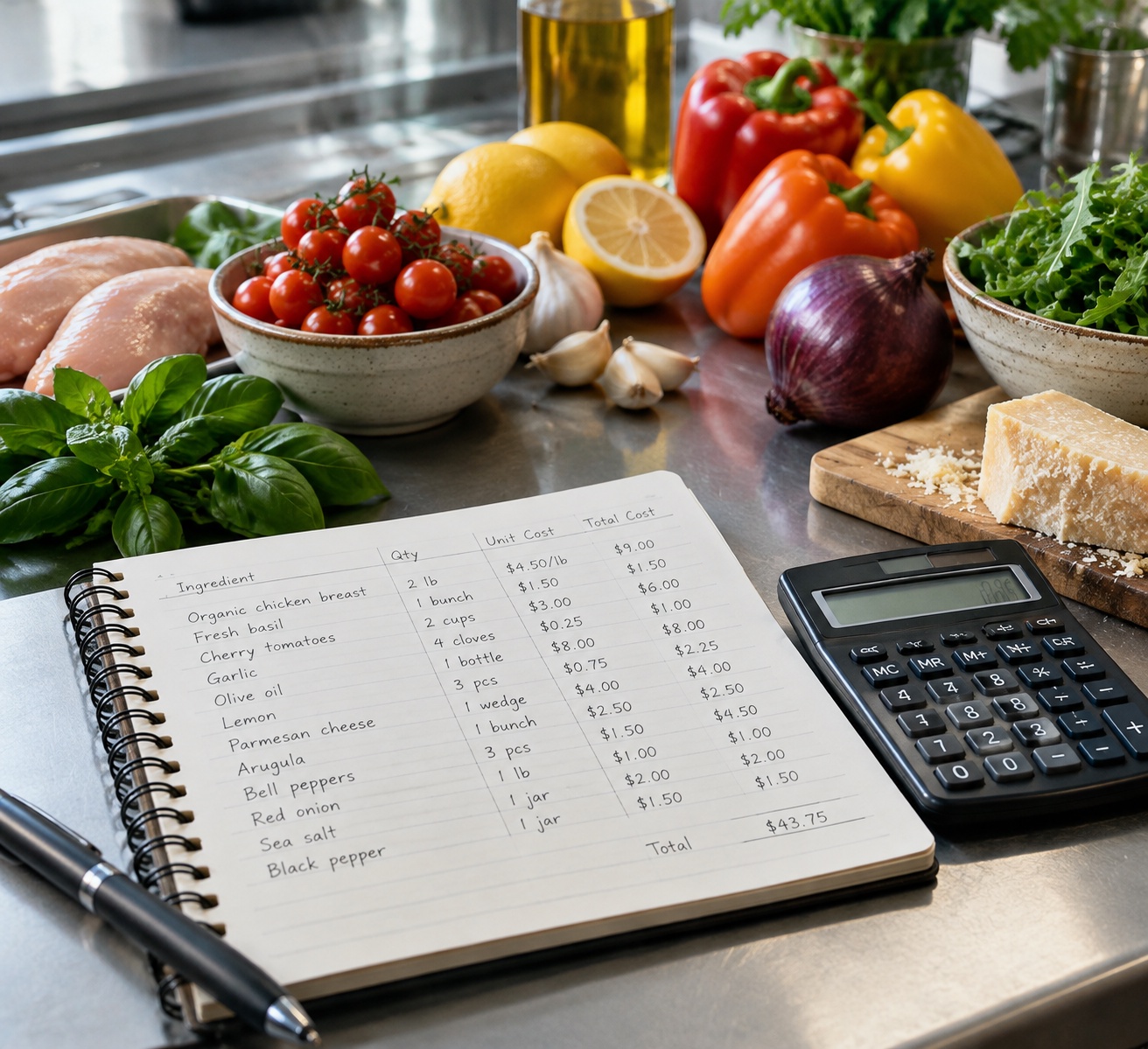
Each dish on a menu brings its own ingredients, prep tasks, storage space and training. A kitchen offering thirty dishes might be stocking a hundred or more distinct ingredients, some of which appear in only one plate. If that plate sells twice a night, those ingredients sit in the walk-in losing quality, or get thrown out.
Prep time follows the same logic. A dish that needs its own sauce, garnish and component takes a cook’s time every morning whether it sells or not. Removing a slow-selling item frees that time for the dishes guests actually order.
An illustrative trim
Consider an illustrative bistro with 28 dishes. The owner reviews three months of sales and finds that eight dishes account for more than half of orders, while nine dishes together make up less than a tenth. Those nine require fourteen ingredients that are not used anywhere else.
Cutting the nine dishes removes those fourteen ingredients from ordering. The kitchen saves the prep time spent on components for low sellers, and the walk-in has room for the ingredients that matter. The remaining dishes can be made in larger, fresher batches. The owner does not need to change prices to see a benefit. Less waste and less labor per cover can make a meaningful difference on their own.
There are trade-offs. Some guests will miss a favorite. A dish that sells slowly may still be important to a few loyal regulars, or may be the only option for a dietary need. Good owners look at who orders a dish, not just how often.
Consistency improves
A smaller menu is easier to execute. Cooks repeat the same dishes more often, so they get faster and more consistent. New staff learn the menu more quickly. The expeditor at the pass has fewer specs to remember. All of that shows up in the dining room as plates that look and taste the same every visit.
Speed improves too. Fewer components on the line mean less reaching, fewer pans and less confusion during a rush. Ticket times tend to drop, which helps on busy nights and makes it easier to turn tables.
Ordering gets easier for guests
Diners benefit in a less obvious way. A long menu takes time to read and can make choosing harder. A shorter one, with clear descriptions, helps guests decide and gives servers fewer dishes to explain. It also signals confidence: the kitchen is saying these are the things it does well.
Purchasing and pricing
For owners, a short menu changes purchasing. Buying fewer ingredients in larger quantities can improve pricing from suppliers and reduce the number of deliveries. It also makes it easier to track food cost, because there are fewer variables. When a key ingredient rises in price, the owner can see quickly which dishes are affected and adjust.
A shorter menu also makes seasonal changes more manageable. Swapping three dishes out of fifteen each season is a realistic project. Rewriting a thirty-item menu rarely happens, so long menus tend to go stale.
How to shrink a menu without losing guests
The practical approach starts with data. Sales reports from the point-of-sale system show what sells and what does not. Owners can then look at each low seller and ask what it costs to keep: ingredients unique to the dish, prep time, waste and complexity on the line.
Changes work best in stages. Removing a few items at a time, and watching sales and feedback, is less risky than cutting half the menu at once. Keeping a vegetarian or allergy-friendly option, even if it sells less, protects guests who need it. Telling regulars when a dish is leaving, and perhaps bringing it back as an occasional special, softens the change.
What changes on the line
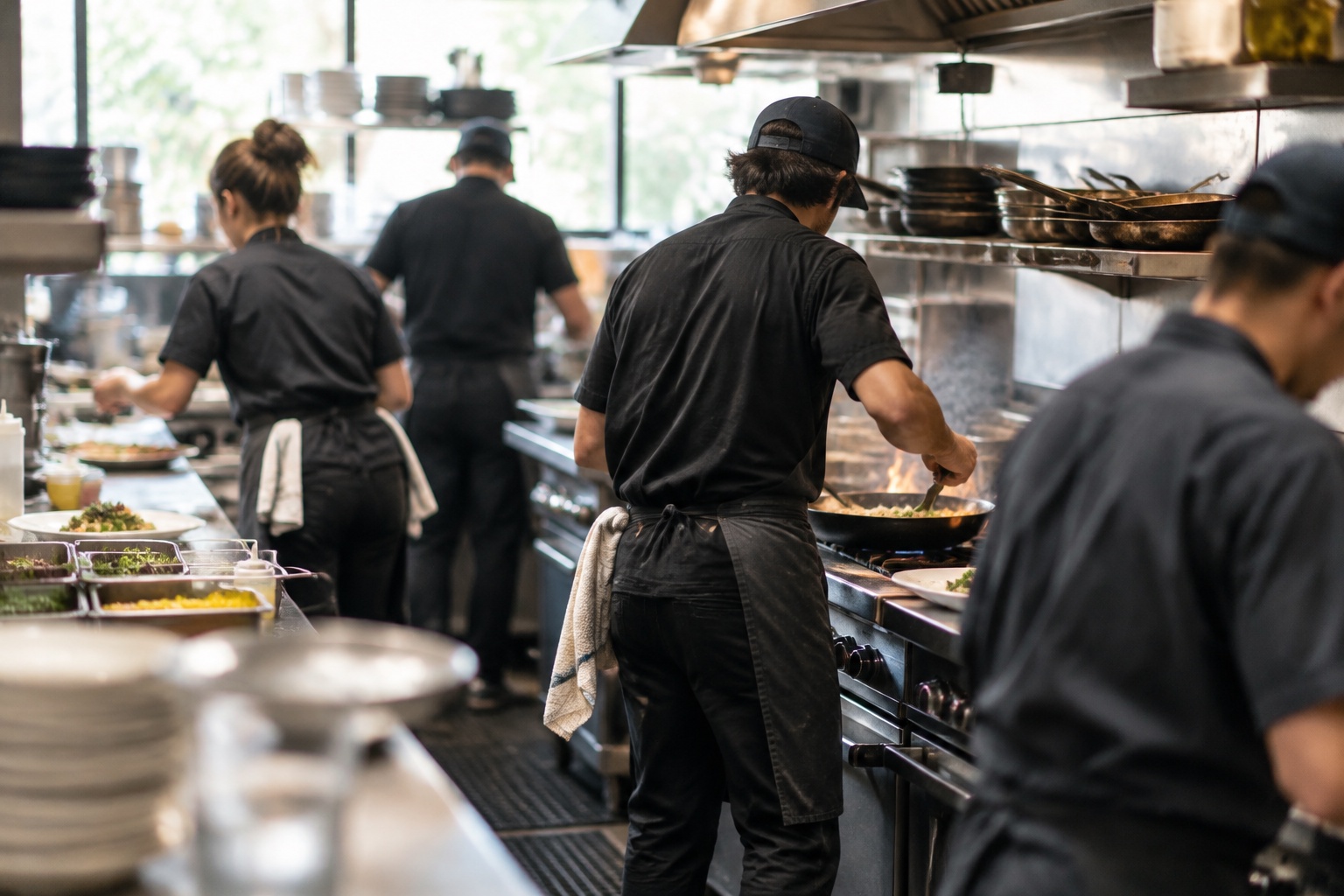
On a busy night, the effect of a shorter menu is easy to see at the stations. A sauté cook who once had nine pans of mise en place in the low boy now has five, each refilled more often and therefore fresher. The garde manger station stops juggling garnishes for dishes that sell twice a week. Tickets read more cleanly because there are fewer modifiers and fewer ways to misread an order. The expeditor can hold every plate spec in their head rather than checking a binder.
There is a training benefit too. In kitchens with high turnover, a new cook may need two or three weeks to learn a long menu well enough to work a station alone during a rush. On a shorter card, that time shrinks. For an independent owner, faster training is a real saving, and it reduces the number of nights when an inexperienced cook is learning on live tickets.
Owners should still watch for the opposite problem. A menu cut too far can leave guests without a reason to return or without an option for a dietary need. The goal is a card where every dish earns its place, not the shortest card possible.
Why diners should welcome it
A shorter menu is not a smaller restaurant. Done well, it means fresher ingredients, more consistent cooking and a kitchen that can give each plate the attention it deserves. When the card gets shorter, it is often because the chef has decided to focus on doing fewer things better, which is what most diners want anyway.