At the pass: where a restaurant’s standards are won or lost
The narrow shelf between the kitchen and the dining room is where every plate gets its last inspection. Here is what that checkpoint actually does, and why it decides so much.
By Naomi Okafor · · 6 min read
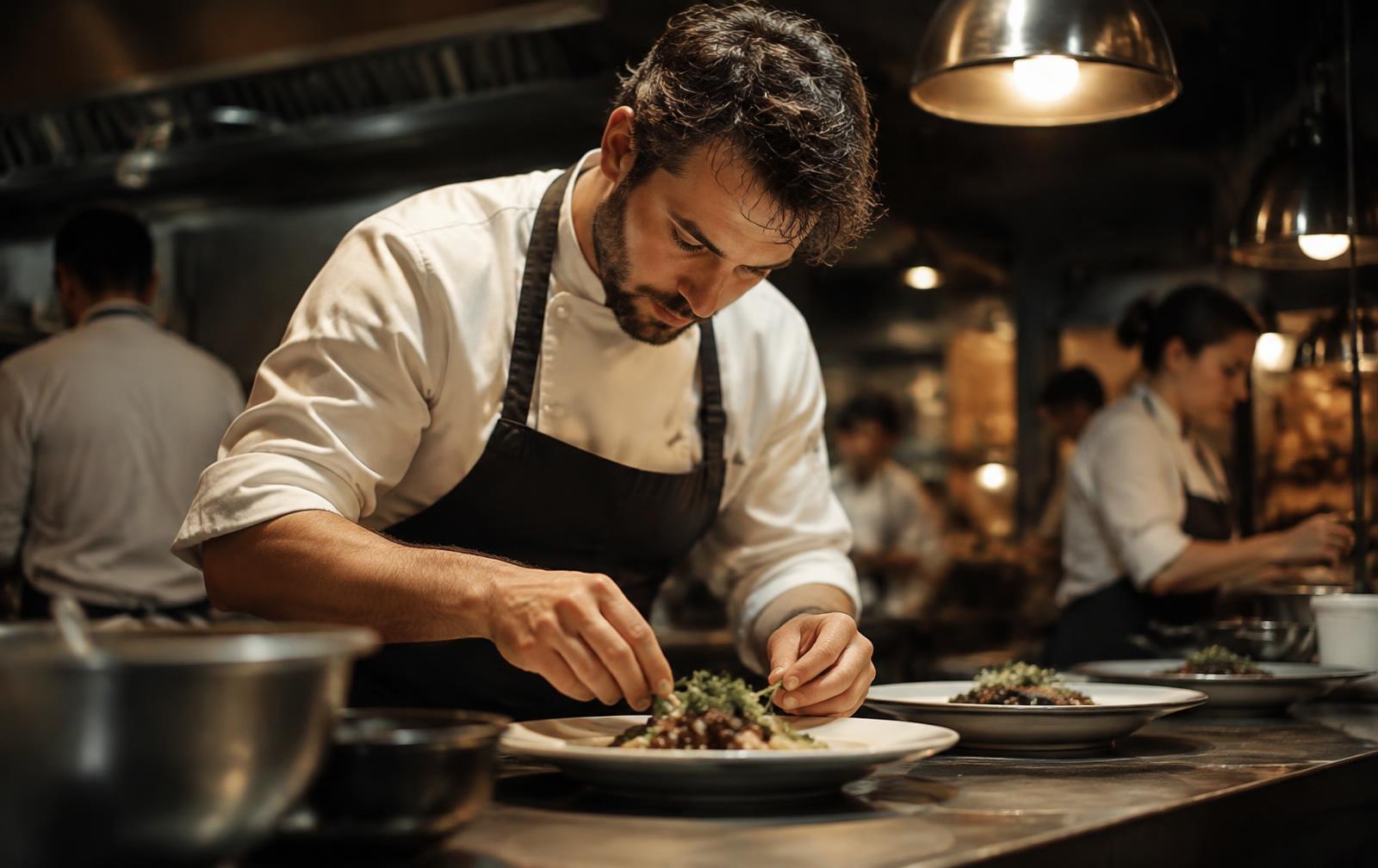
Every restaurant has a moment when a plate stops belonging to the cook and starts belonging to the guest. In most kitchens that moment happens at the pass: a heated shelf, a strip of steel, a ticket rail, and one person deciding whether the food goes out. It takes a few seconds per plate. Over a Saturday, those seconds add up to the difference between a restaurant that is consistent and one that is only sometimes good.
Diners rarely see the pass, but they feel it. A steak that arrives at the temperature they ordered, a table of four whose plates land together, a sauce that has not skinned over under a heat lamp: these are pass decisions. So is the plate that never arrives because someone noticed the garnish was wilted and sent it back for thirty seconds of work.
What the person at the pass is checking
In a well-run kitchen the expeditor, often the chef or a senior cook, is checking four things at once. The first is the ticket: is this the right dish, with the right modifications, for the right seat? Allergy notes and substitutions are where errors cost the most, and the pass is the last place to catch them.
The second is the plate itself. Portion, placement, wiped rims, sauce that has not broken, protein that is rested and cut correctly. Most kitchens have a photo or a spec sheet for each dish, and a good expeditor knows it well enough to spot a plate that is two grams of garnish away from the standard.
The third is timing. A table’s plates should finish together. If the fish is ready and the duck is still two minutes out, the expeditor decides whether the fish waits or gets refired. Holding food under a lamp is the most common way good cooking gets ruined after it is finished.
The fourth is the floor. The pass is where the kitchen hears that table twelve is still on their first bottle and wants to slow down, or that a guest at the bar has a train to catch. The best expeditors are translators between two rooms that move at different speeds.
Why standards slip here first
Consider an illustrative Friday. A neighborhood restaurant has 70 covers booked between 6:30 and 8:00, and a walk-in rush pushes it to 95. The grill cook is behind. Tickets are stacking. The expeditor has a choice on every plate: send it as it is, or stop the line to fix it. Sending is faster in the moment. Stopping protects the next guest’s opinion of the restaurant.
That trade-off is where standards are actually set. Owners can write any spec they like, but what reaches the dining room is decided by the person at the pass at 7:45 on the busiest night of the week. If that person is also cooking a station, the checkpoint tends to disappear exactly when it is needed most.
Staffing makes this harder. Many independent restaurants cannot pay for a dedicated expeditor every night, so the role falls to a chef who is also cooking, ordering, and answering questions from the floor. A common compromise is to staff the pass only on peak nights and rely on cooks to self-check the rest of the week, which works until the night it does not.
What owners can do about it
The fixes are mostly unglamorous. Clear plate specs, with photos posted where the expeditor can see them, take the guesswork out of what a dish should look like. Fixed ticket language, so a modification is always written the same way, reduces misreads. Allergen orders flagged in a different color, or printed on a separate ticket, make the riskiest plates impossible to miss.
Timing tools help too. Some kitchens fire courses by table rather than by ticket, so the pass sees a whole table at once. Others set a hard limit on how long a plate can sit under heat before it is remade. Neither costs much. Both require someone to enforce them when the dining room is full.
The cheapest improvement is often a short line-up before service. Five minutes to walk through specials, eighty-sixed items, large parties, and known allergies gives the expeditor a picture of the night before the first ticket prints. It also tells cooks which plates will be watched most closely.
The cost of a returned plate
Every plate sent back from the dining room has a cost the pass could have prevented: the food itself, the cook’s time to remake it, the delay to the rest of the table and the guest’s mood. Catching the problem at the pass costs a few seconds.
What diners can read from it
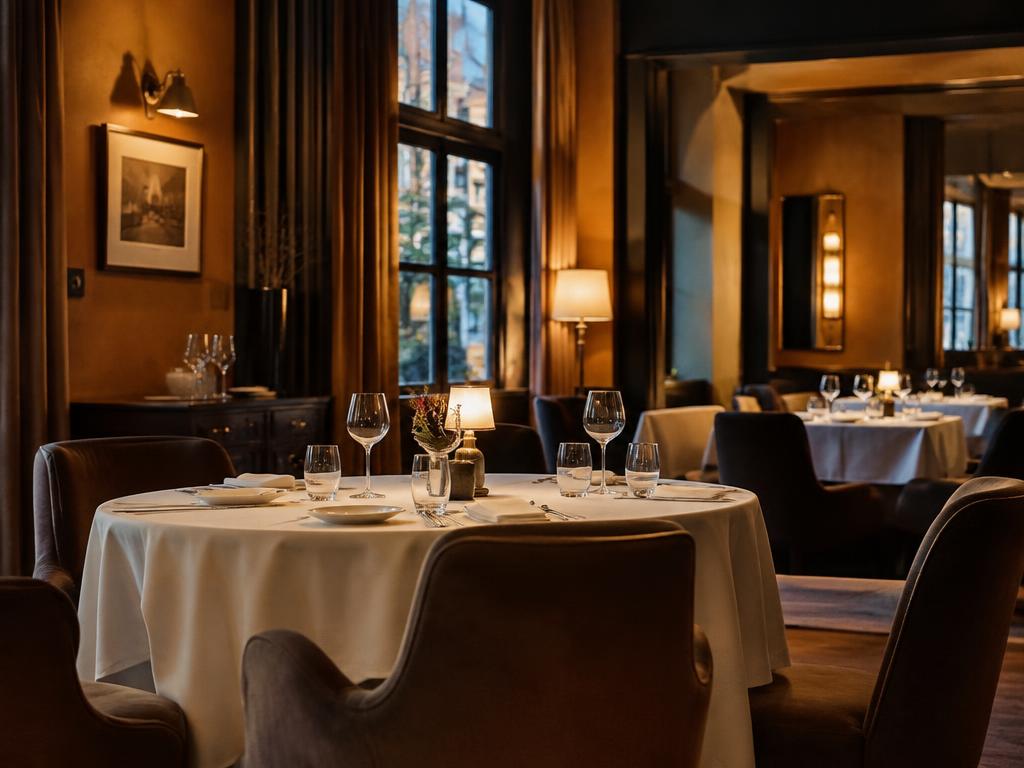
Guests can learn a lot about a kitchen without seeing it. Plates for one table arriving minutes apart, a dish that looks different on two visits, or a modification that keeps going missing all point to a pass that is overloaded or unstaffed. Food that arrives hot, together, and looking the same as last time usually means someone is standing at that shelf making decisions.
None of this is as photogenic as the cooking itself. But a restaurant’s standards are not what it intends to serve. They are what it lets leave the kitchen, one plate at a time, on the nights when letting things slide would be easier.